
Article: Case Record 01 · Adolescent Athlete with Chronic Headache and Recurrent Nosebleeds
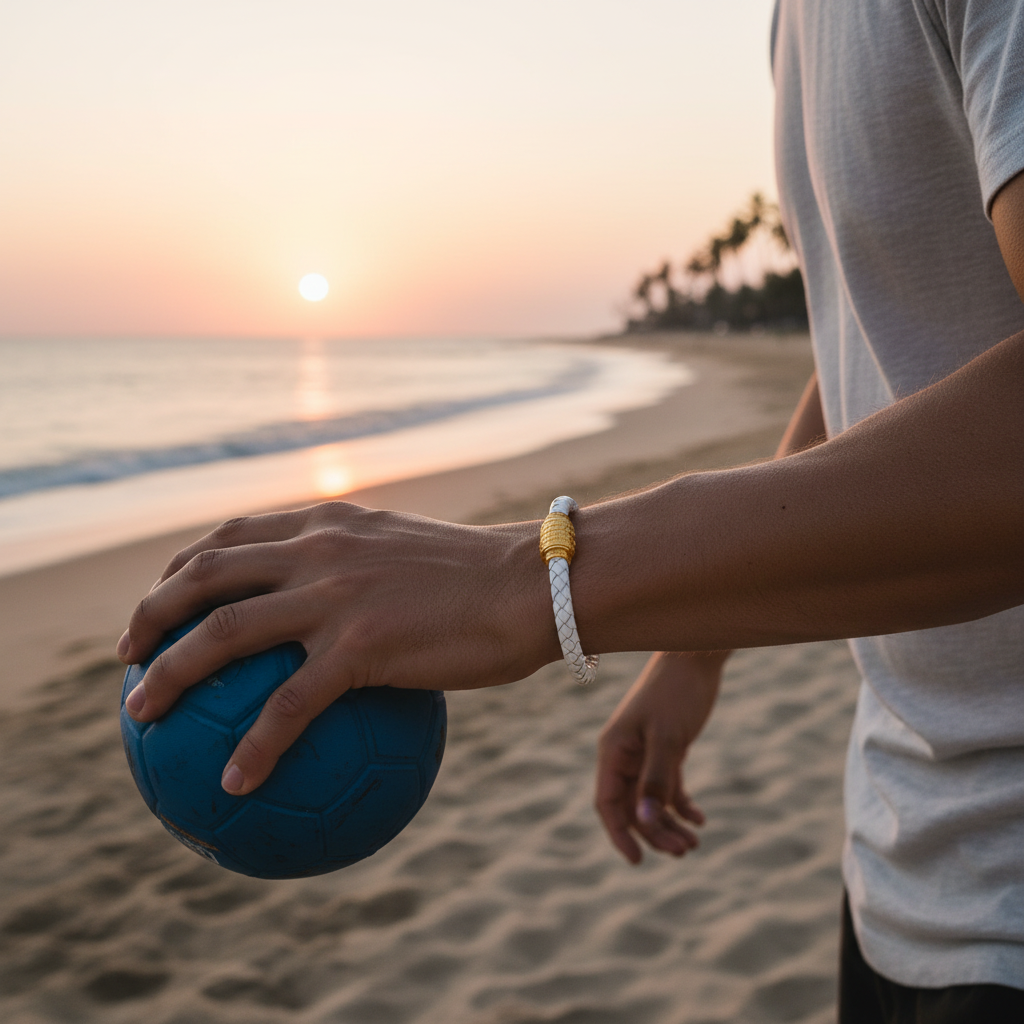
Case Record 01 · Adolescent Athlete with Chronic Headache and Recurrent Nosebleeds
Overview
This case record documents a 15 year old adolescent male competitive swimmer presenting with recurrent headaches and nosebleeds over an extended period.
The case is situated within a regulation informed mindfulness framework and focuses on observed patterns of nervous system regulation and stress related activation rather than diagnostic or treatment claims.
Support was non invasive and delivered alongside ongoing medical evaluation. It did not replace or interfere with paediatric or specialist medical care.
Presenting Pattern
The individual had been engaged in high intensity swim training and competitive performance for several years. Over time, the following patterns were observed:
• Persistent non specific headaches with no identifiable structural pathology
• Recurrent spontaneous nosebleeds
• Declining sleep quality
• Reduced tolerance to training load
• Impaired concentration and academic engagement
Despite repeated medical evaluations, no clear pathological cause was identified. Symptom management relied primarily on analgesic use with limited long term effect. With pubertal development, symptom frequency and intensity increased, contributing to physical strain and family concern.
Regulation Based Integrative Formulation
Following exclusion of acute or structural medical causes, the presenting pattern was understood in relation to nervous system regulation.
From a nervous system perspective, features were consistent with:
• Prolonged autonomic activation
• Heightened central sensitivity to internal and external stress signals
• Reduced regulatory flexibility during a developmental stage marked by hormonal and neurological change
Psychologically, the individual demonstrated:
• Strong performance orientation and self expectation
• Heightened sensitivity to perceived failure or regression
• Limited emotional expression, with stress more often endured than verbally processed
These factors suggested a pattern in which pressure and unprocessed stress were primarily expressed through somatic channels rather than conscious emotional awareness.
Therapeutic Perspective
Within this regulation informed approach, the presentation was observed as:
• Sustained attentional and physiological activation concentrated in the upper body and head region
• Ongoing output oriented engagement related to control, performance, and effort
• Insufficient access to down regulation, rest, and systemic recovery signals
Language sometimes used in energy informed contexts to describe overactivation refers here to heightened neural excitation, attentional strain, and limited regulatory recovery, rather than to a literal energy pathology.
Supportive Process and Observed Shifts
Support was oriented toward facilitating nervous system down regulation, restoring regulatory flexibility, and supporting recovery capacity. The process was non invasive and did not replace or interfere with medical care.
Observed changes included:
• Reduced frequency of headache episodes
• Progressive stabilisation of nervous system responses over subsequent sessions
• Improved sleep quality
• Increased tolerance to physical training demands
• Reduced anxiety and emotional reactivity
• Improved capacity for sustained attention in both training and learning contexts
The individual was able to return to athletic training with greater physical stability and reduced reliance on frequent analgesic use.
Integrative Summary
From a regulation informed perspective, the observed shift reflected:
• Movement from prolonged hyperactivation toward more balanced regulation
• Increased capacity for rest and recovery between periods of exertion
• Reduced need for the body to signal overload through intense somatic expression
Support did not aim to alter medical diagnosis, but to strengthen regulatory capacity alongside appropriate clinical care.
Ethics and Safety Note
This case record is provided for educational and service description purposes only. It does not constitute medical diagnosis, treatment, or outcome claims. All medical decisions remained under appropriate clinical supervision. Individual responses vary and outcomes are not guaranteed.


Leave a comment
This site is protected by hCaptcha and the hCaptcha Privacy Policy and Terms of Service apply.